
On your average day, approximately 19 million gallons of sewage flows through roughly 275
miles of pipe under our feet in New Haven (About GNHWPCA). When it rains or snows, that
flow rate increases, and depending on the size of the storm, you might suddenly become aware
of this stormwater/sewer system. Many New Haveners have experienced flooded streets–some
have even had flooded basements–but not many people are aware of the pollution caused by
stormwater that overflows into nearby bodies of water. One of the rivers most affected by this is
the West River, so a wide variety of projects have been undertaken to address the problem,
ranging from bioswales to underground storage tanks.
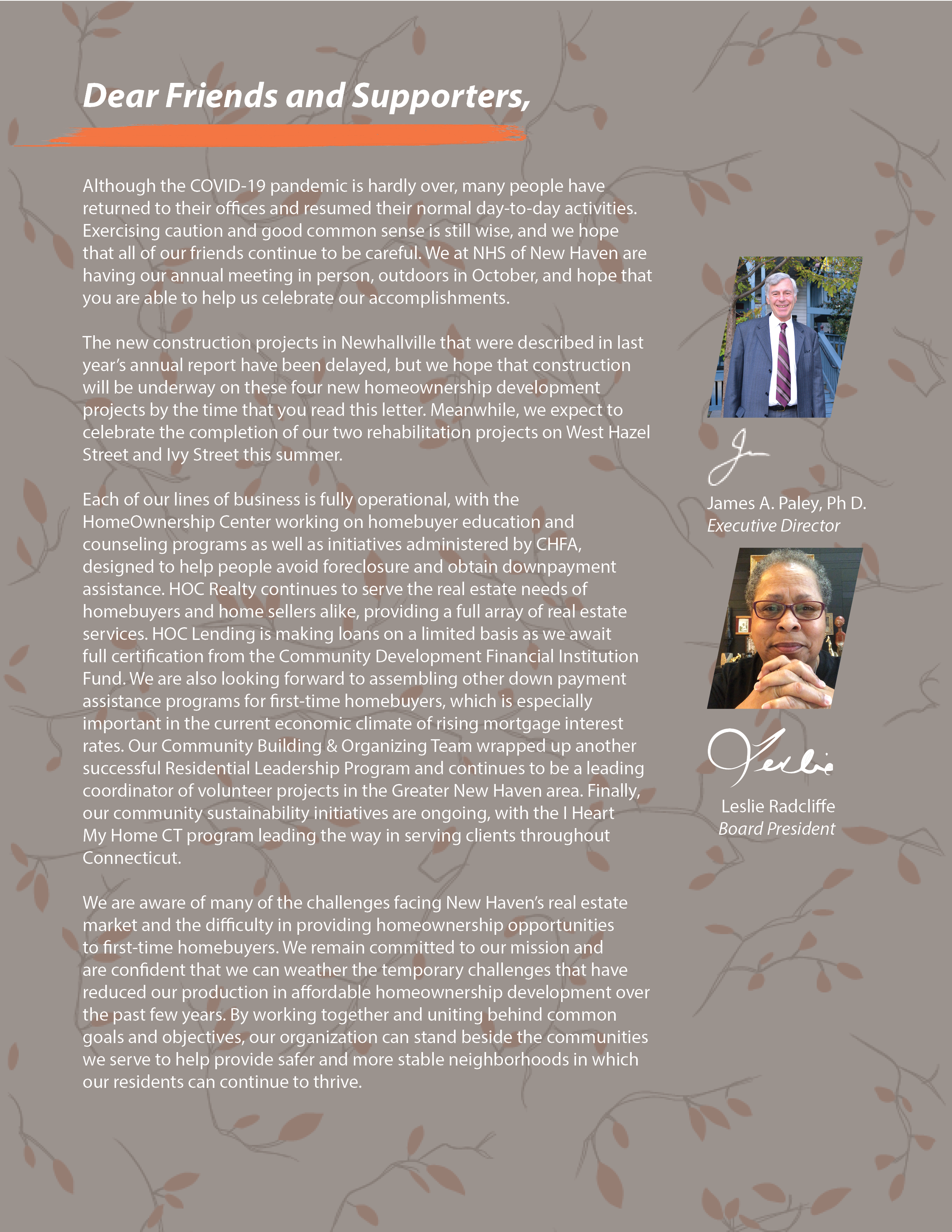
This summer, Neighborhood Housing Services of New Haven (NHS), in collaboration with Save the Sound,
embarked on an ambitious project: the installation of twelve rain gardens in residential areas
across New Haven, specifically in the West River Watershed. This initiative not only contributes
to the existing beauty in our neighborhoods but also addresses an often-overlooked
environmental challenge: stormwater pollution.
Urban areas around the world struggle with stormwater management, due the prevalence of
impervious surfaces (pavement, sidewalks, roofs, etc.) which means that water has a harder
time soaking into the ground and instead creates runoff that can cause flooding and contribute
to pothole formation. In some parts of New Haven, the sewer and stormwater systems are
combined, and during heavy storms the system can overflow, leading to pollution in our
waterways. Rain gardens are a low-cost solution that promotes natural soil infiltration, reducing
runoff and filtering pollutants. By capturing rainwater, these gardens help to mitigate flooding
and improve water quality, making them an essential tool for urban environmental health.
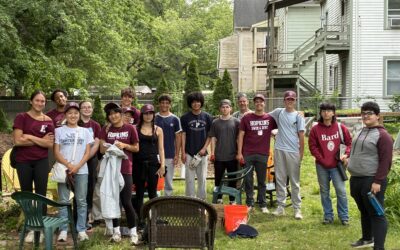
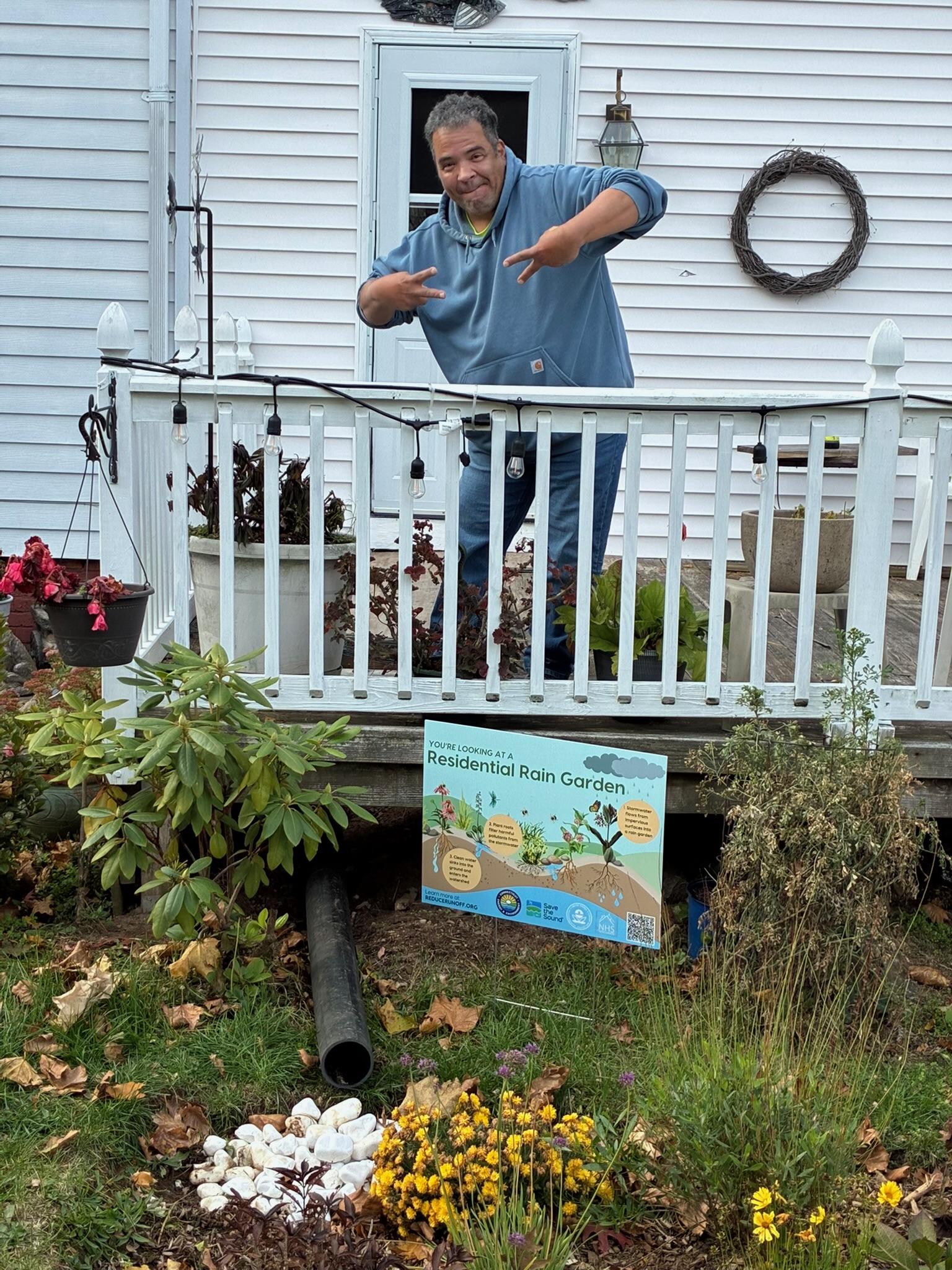
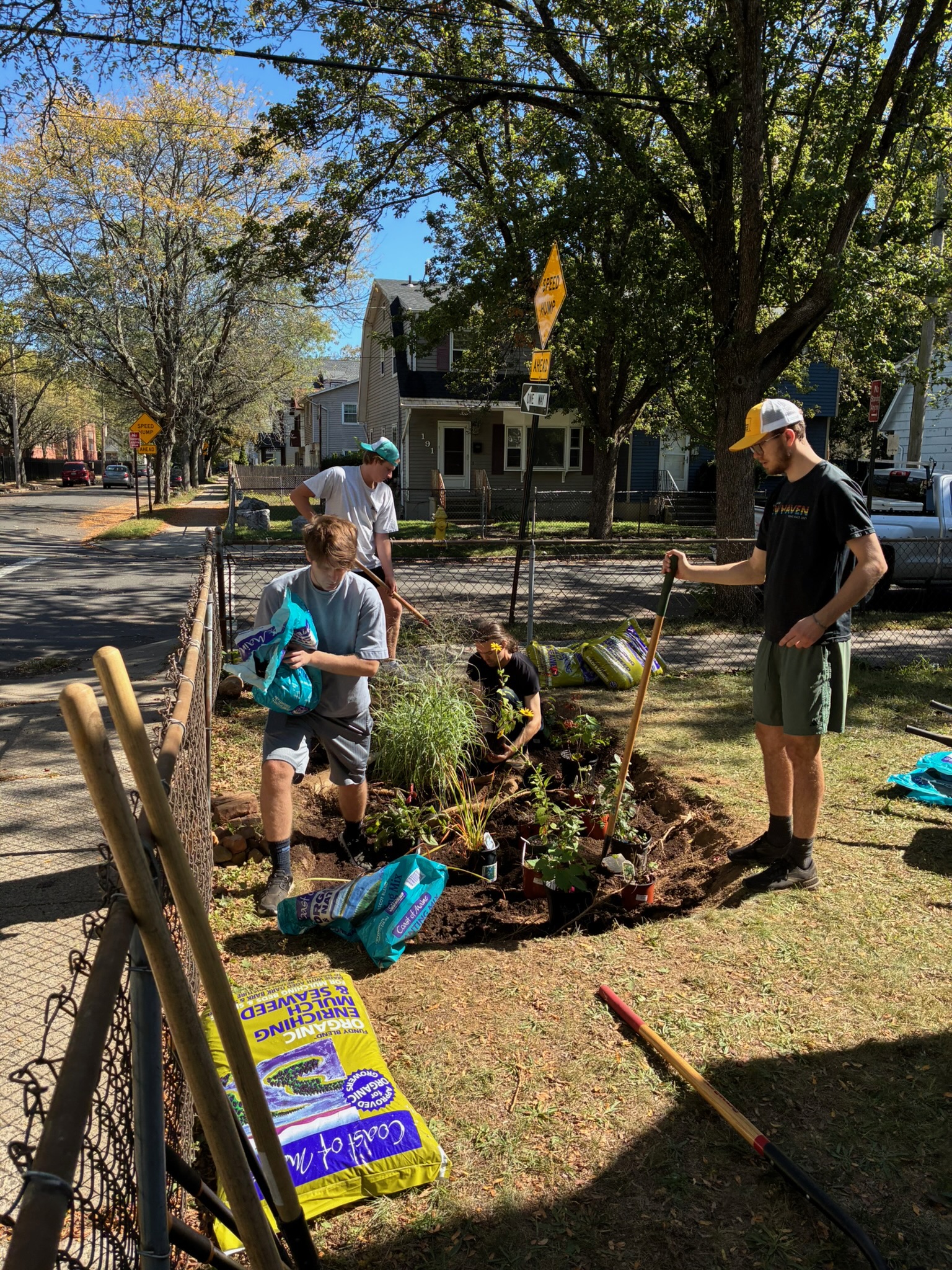
One of the highlights of this project was the incredible participation from volunteers. Groups and
individuals from the community came together, rolling up their sleeves to dig, plant, and nurture
these gardens. Their dedication and hard work were instrumental in the success of the project.
We are grateful for their enthusiasm and commitment to improving our environment.
The installation of these rain gardens is not just a local effort; it serves as a model for other
urban areas facing similar challenges. By showcasing the effectiveness of residential rain
gardens in reducing stormwater pollution, while raising local awareness, we hope to inspire
cities across the country to adopt similar initiatives. This project demonstrates that with
community involvement and strategic partnerships, we can tackle serious environmental issues
head-on.
The rain garden project at Neighborhood Housing Services is a great example of a phrase we
say often in CB&O: “teamwork makes the dreamwork.” It required collaboration between
organizations, homeowners, and hundreds of volunteers. We are proud of the work
accomplished this summer and excited about the positive impact these rain gardens will have
on our environment and neighborhoods. As we continue to advocate for sustainable practices,
we encourage other cities to learn from our experience and consider implementing their own
rain garden projects. Together, we can create healthier, greener urban spaces for future
generations.

Call to Action
If you’re interested in learning more about rain gardens or how you can get involved in future
projects, please reach out to us arawlings@nhsofnewhaven.org. Let’s work together to make our
communities more sustainable!
Additional Links:
Waste and Water | A People’s Guide to Infrastructure in New Haven
newhavenms4factsheetpdf.pdf
Faced With Heavier Rains, Cities Scramble to Control Polluted Runoff – Yale E36